Honda CR-V Maintenance Schedule: Mileage, Service Codes & Key Intervals
Hardin County Honda customer handing keys to a service advisor beside a black Honda CR-V at the service center

Hardin County Honda Service Guide

Honda CR-V Maintenance Schedule

A Honda CR-V maintenance schedule gives you practical mileage and time checkpoints for planning routine service. Start with the normal-driving schedule below, compare the severe-driving schedule when those conditions describe how you regularly use your CR-V, and then use Honda Maintenance Minder to help interpret the service code shown on the dashboard.

Mileage & time intervals Normal & severe use Maintenance Minder guidance
Quick Answers Honda CR-V Maintenance

What are the main Honda CR-V maintenance intervals?
The planning schedule on this page begins with oil and tire service at 7,500 miles, broader maintenance at 15,000 miles or one year, and additional milestone work at 30,000, 45,000, 60,000, 75,000, 90,000, 105,000, and 120,000 miles.


What happens at 30,000 miles?
The reference schedule adds oil and filter service, tire rotation, scheduled inspections, air-cleaner and spark-plug replacement, drive-belt inspection or adjustment, and a valve-clearance check.


Does severe driving change the schedule?
Yes. The severe-use reference shortens engine-oil and oil-filter service to every 3,750 miles or six months and calls for several inspections every 7,500 miles or six months.


Should I still follow Honda Maintenance Minder?
Yes. Use the mileage tables as planning references and compare them with the Maintenance Minder display and the owner’s manual for your exact CR-V model year, powertrain, drivetrain, and driving conditions.

Key Intervals

The CR-V Service Timeline at a Glance

Some visits focus mainly on oil and tires. Larger milestones add inspections, filters, fluids, spark plugs, drive-belt checks, and other scheduled work.

7.5K

Routine oil & tires

Replace engine oil and rotate the tires at the first planning milestone.

30K

Major maintenance step

Filters, spark plugs, drive-belt inspection, valve-clearance checking, and broader inspections join the visit.

45K

Coolant & brake fluid

The reference schedule adds engine-coolant and brake-fluid replacement.

90K

Transmission service

The normal-use reference adds transmission-fluid replacement at this milestone.

Primary Schedule

Honda CR-V Maintenance Schedule for Normal Driving

Use this as the primary mileage-and-time planning reference when severe driving does not describe how the vehicle is used most of the time. When both mileage and time appear, use whichever comes first.

Normal Driving Conditions — Honda CR-V Maintenance Schedule
Mileage / Time Maintenance Items and Notes
7,500 miles Replace engine oil and rotate the tires. Check tire inflation and condition at least monthly.
15,000 miles
or 1 year
Replace engine oil and oil filter; rotate the tires; inspect the front and rear brakes, parking-brake adjustment, tie-rod ends, steering gearbox and boots, suspension components, driveshaft boots, brake hoses and lines, fluid levels and condition, cooling-system hoses and connections, exhaust system, and fuel lines and connections.
22,500 miles Replace engine oil and rotate the tires. Continue routine tire, oil-level, coolant-level, and fluid-condition checks.
30,000 miles
or 2 years
Replace engine oil and oil filter; rotate the tires; complete the scheduled brake, steering, suspension, driveshaft, hose, fluid, cooling-system, exhaust, and fuel-line inspections; replace the air cleaner element and spark plugs; inspect and adjust the drive belts; and check valve clearance with the engine cold.
37,500 miles Replace engine oil and rotate the tires.
45,000 miles
or 3 years
Replace engine oil and oil filter; rotate the tires; complete the scheduled inspections; replace engine coolant; and replace brake fluid.
52,500 miles Replace engine oil and rotate the tires.
60,000 miles
or 4 years
Replace engine oil and oil filter; rotate the tires; complete the scheduled inspections; replace the air cleaner element and spark plugs; and inspect and adjust the drive belts.
67,500 miles Replace engine oil and rotate the tires.
75,000 miles
or 5 years
Replace engine oil and oil filter; rotate the tires; complete the scheduled inspections; and replace engine coolant.
82,500 miles Replace engine oil and rotate the tires.
90,000 miles
or 6 years
Replace engine oil and oil filter; rotate the tires; complete the scheduled inspections; replace the air cleaner element and spark plugs; inspect and adjust the drive belts; replace brake fluid; and replace transmission fluid.
97,500 miles Replace engine oil and rotate the tires.
105,000 miles
or 7 years
Replace engine oil and oil filter; rotate the tires; complete the scheduled inspections; replace the timing belt where applicable; inspect the water pump; replace engine coolant; and check idle speed. Confirm timing-belt applicability for the exact engine and model year.
112,500 miles Replace engine oil and rotate the tires.
120,000 miles
or 8 years
Replace engine oil and oil filter; rotate the tires; complete the scheduled inspections; replace the air cleaner element and spark plugs; and inspect and adjust the drive belts.
The pattern is straightforward: oil and tire service appears at the shorter checkpoints, while the larger 15,000-mile multiples bring in broader inspections and scheduled component or fluid work.

Severe-Use Schedule

Honda CR-V Maintenance Schedule for Severe Driving

Use this reference when demanding operating conditions describe the way the CR-V is driven regularly rather than an occasional trip or isolated event.

Severe Driving Conditions — Honda CR-V Maintenance Schedule
Mileage / Time Maintenance Items and Notes
Every 3,750 miles
or 6 months
Replace engine oil and oil filter. This is the core severe-use oil-and-filter interval in the reference schedule.
Every 7,500 miles
or 6 months
Rotate the tires; inspect the front and rear brakes, tie-rod ends, steering gearbox and boots, suspension components, driveshaft boots, brake hoses and lines, fluid levels and condition, cooling-system hoses and connections, exhaust system, fuel lines and connections, lights and controls, and vehicle underbody. Check parking-brake adjustment and complete the other listed routine severe-use checks.
15,000 miles
or 1 year
Replace engine oil and oil filter; rotate the tires; and complete the scheduled brake, steering, suspension, driveshaft, hose, fluid, cooling-system, exhaust, fuel-line, lighting, and underbody inspections. Continue the shorter severe-use oil-and-filter interval between these larger visits.
30,000 miles
or 2 years
Replace engine oil and oil filter; rotate the tires; complete the scheduled inspections; replace the air cleaner element and spark plugs; replace transmission fluid; inspect and adjust the drive belts; and check valve clearance with the engine cold.
45,000 miles
or 3 years
Replace engine oil and oil filter; rotate the tires; complete the scheduled inspections; replace engine coolant; and replace brake fluid.
60,000 miles
or 4 years
Replace engine oil and oil filter; rotate the tires; complete the scheduled inspections; replace the air cleaner element and spark plugs; replace transmission fluid; inspect and adjust the drive belts; replace the timing belt where applicable under the special-driving-condition instructions; and inspect the water pump.
75,000 miles
or 5 years
Replace engine oil and oil filter; rotate the tires; complete the scheduled inspections; and replace engine coolant. Continue the shorter severe-use oil-and-filter interval.
90,000 miles
or 6 years
Replace engine oil and oil filter; rotate the tires; complete the scheduled inspections; replace the air cleaner element and spark plugs; replace transmission fluid; inspect and adjust the drive belts; and replace brake fluid.
105,000 miles
or 7 years
Replace engine oil and oil filter; rotate the tires; complete the scheduled inspections; replace the timing belt where applicable; inspect the water pump; replace engine coolant; and check idle speed.
120,000 miles
or 8 years
Replace engine oil and oil filter; rotate the tires; complete the scheduled inspections; replace the air cleaner element and spark plugs; replace transmission fluid; inspect and adjust the drive belts; replace the timing belt where applicable; and inspect the water pump.
2026 Honda CR-V TrailSport driving on an unpaved path

Central Kentucky Ownership

Normal or Severe Depends on How You Use Your CR-V

Severe driving does not mean the CR-V has been abused. It describes operating patterns that can place greater demand on oil, filters, fluids, brakes, steering, suspension, or other maintenance items.

Around Elizabethtown, Radcliff, Vine Grove, Fort Knox, and the broader Central Kentucky area, one CR-V may spend most of its time on steady I-65 trips while another handles repeated short drives, extended traffic, rural roads, winter conditions, or frequent stop-and-go use. The actual pattern matters more than the ZIP code.

Bring your current mileage, recent service history, and a quick description of how you normally drive. We can help you compare those details with the maintenance information that applies to your CR-V.

Operating Conditions

Examples of Severe Driving Conditions

Use severe-service guidance when demanding conditions describe the vehicle’s regular use pattern, not simply because one difficult drive occurred.

01

Frequent Short Trips

Frequent trips shorter than about five miles, or shorter than about 10 miles in freezing weather, appear in the severe-driving reference used for this guide.

02

Idling and Stop-and-Go Traffic

Extensive idling or sustained stop-and-go driving can place more operating time on the engine than the odometer alone suggests.

03

Dust, Mud, and De-Iced Roads

Regular driving on muddy, dusty, or chemically de-iced roads can make filters, brakes, suspension components, and underbody inspections more relevant.

04

Temperature and Mountain Use

Regular mountain travel, roof-top cargo use, and operation in temperature extremes are among the conditions that can justify closer attention to the severe-use schedule.

Dashboard Guidance

Use Maintenance Minder With the Mileage Schedule

The mileage tables help you anticipate common maintenance checkpoints. Honda Maintenance Minder gives you another layer of vehicle-specific guidance by displaying a main letter and, when applicable, numbered sub-codes.

Record the full code rather than only the letter. A combination such as B13 includes several maintenance categories in one visit.

Maintenance Minder Code Guide

A  —  Replace engine oil.
B  —  Replace engine oil and oil filter and complete the broader B-service inspection list.
1  —  Rotate tires and inspect condition and pressure.
2  —  Replace engine and cabin air filters; inspect the drive belt.
3  —  Replace transmission fluid.
4  —  Replace spark plugs and inspect valve clearance; timing-belt work applies only where equipped.
5  —  Replace engine coolant.
6  —  Replace rear differential fluid on applicable AWD models.
7  —  Replace brake fluid.

Common Service Codes

Honda CR-V A1 vs. B1 Service

Both include tire rotation. B1 is the broader visit because B service adds the oil filter and Honda’s scheduled inspection list.

A1 Service

Oil + Tire Rotation

01 Replace engine oil.
02 Rotate the tires and inspect tire condition and pressure.
B1 Service

Oil + Filter + Inspections + Tires

01 Replace engine oil and oil filter.
02 Complete Honda’s broader B-service inspections.
03 Rotate the tires and inspect tire condition and pressure.
Example: B13
B13 combines B service, tire rotation and inspection, and transmission-fluid replacement in one service visit.

Service Categories

What We Check and Service on a Honda CR-V

The larger mileage milestones involve more than an oil change. Depending on the interval and the CR-V itself, the visit can include filters, fluids, spark plugs, tires, brakes, steering, suspension, cooling-system components, drivetrain items, and other scheduled inspections.

That is why it helps to schedule with both your mileage and recent maintenance history available. We can see which milestone you are approaching and compare it with the information shown by your vehicle.

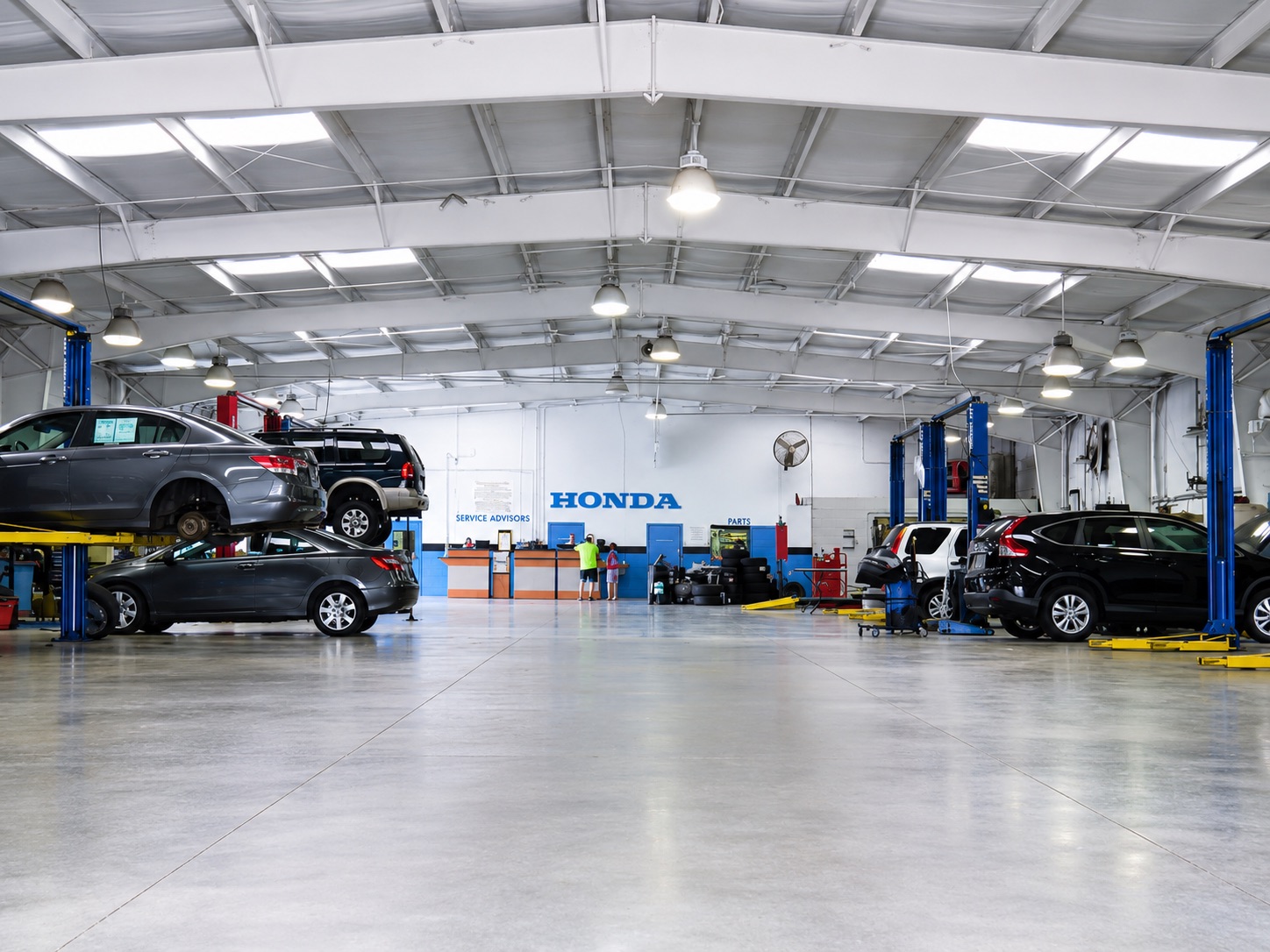
Hardin County Honda service center with vehicles in service bays, lifts, and the service advisor area
ENGINE

Engine Oil and Oil Filter

Oil service appears throughout the schedule. Under the normal-use reference, the pattern alternates between oil-focused 7,500-mile checkpoints and oil-and-filter milestones at the larger 15,000-mile intervals.

Learn more about Honda oil change service in Elizabethtown .

TIRES & BRAKES

Tire Rotation and Brake Inspection

Tire rotation accompanies the scheduled service checkpoints. The larger visits add front- and rear-brake inspection, while actual brake-pad or rotor replacement depends on measured wear and condition.

30K / 60K / 90K / 120K

Filters, Spark Plugs, and Drive Belts

The reference schedule adds air-cleaner and spark-plug replacement at major 30,000-mile milestones, along with drive-belt inspection or adjustment.

FLUIDS

Coolant, Brake Fluid, and Transmission Fluid

Coolant and brake-fluid milestones appear farther into the schedule, while transmission-fluid timing differs between the normal- and severe-use references. Match the fluid service to the schedule that applies to the vehicle.

At Home

What to Watch Between Scheduled Visits

Check tire pressure and condition regularly and pay attention to fluid leaks, warning lights, new noises, unusual odors, changes in braking, steering pull, vibration, reduced HVAC airflow, or failed exterior lights. A new symptom does not need to wait for the next mileage milestone.

Service History

Keep an Accurate Maintenance Record

Record the date, mileage, Maintenance Minder code, and work completed after every visit. Clear records help our service team see what has already been handled and which mileage-based maintenance items are coming next.

Hardin County Honda Service

CR-V Service Support in Elizabethtown

From daily Elizabethtown–Fort Knox commuting to I-65 travel and regular family driving across Central Kentucky, our goal is to make the maintenance plan easier to understand before the vehicle enters the service lane.

CR-V

Honda-Focused Service

Bring us the mileage, model year, drivetrain, powertrain, Maintenance Minder code, and service history so we can review the right maintenance path.

OEM

Honda Parts Support

When maintenance or repair work requires replacement components, our Honda service operation can support the visit with genuine Honda parts.

LOCAL

Central Kentucky Context

We serve drivers from Elizabethtown, Radcliff, Vine Grove, the Fort Knox area, and other communities across the Hardin County region.

ONLINE

Schedule Ahead

Use our online scheduler when you know your next interval is approaching or a Maintenance Minder code has appeared.

Looking for another service? Review our Honda service menu or learn about Honda Express Service before your next visit.

Hardin County Honda Service

Know Your Mileage Before Your Next CR-V Service Visit

Whether your CR-V is approaching a 7,500-mile oil-and-tire visit, a larger 30,000-mile milestone, or a Maintenance Minder service code, bring us the information you have. We can review the mileage, recent maintenance, vehicle configuration, and driving conditions with you before confirming the service plan.

Honda Service Menu  |  Honda Express Service  |  Honda Oil Change Service

Frequently Asked Questions

Honda CR-V Maintenance FAQs

What is the Honda CR-V maintenance schedule by mileage?
The normal-driving planning schedule begins with engine-oil replacement and tire rotation at 7,500 miles. Larger service milestones occur at 15,000, 30,000, 45,000, 60,000, 75,000, 90,000, 105,000, and 120,000 miles, with additional inspections, fluids, filters, spark plugs, and other maintenance added as mileage increases.
What service is due on a Honda CR-V at 30,000 miles?
In the reference schedule used for this guide, the 30,000-mile or two-year milestone includes engine oil and oil-filter replacement, tire rotation, scheduled inspections, air-cleaner and spark-plug replacement, drive-belt inspection or adjustment, and a cold-engine valve-clearance check.
What service is due on a Honda CR-V at 60,000 miles?
The normal-use reference lists engine oil and oil-filter replacement, tire rotation, scheduled inspections, air-cleaner and spark-plug replacement, and drive-belt inspection or adjustment at 60,000 miles or four years.
What service is due on a Honda CR-V at 90,000 miles?
The normal-use reference adds engine oil and oil-filter replacement, tire rotation, scheduled inspections, air-cleaner and spark-plug replacement, drive-belt inspection or adjustment, brake-fluid replacement, and transmission-fluid replacement at 90,000 miles or six years.
What is the difference between normal and severe CR-V maintenance?
The severe-use reference shortens engine-oil and oil-filter service to every 3,750 miles or six months and adds broader inspections every 7,500 miles or six months. Severe use can include repeated short trips, extensive idling or stop-and-go operation, regular mountain travel, dusty or de-iced roads, and temperature extremes.
What is the difference between Honda CR-V A1 and B1 service?
A1 generally combines engine-oil replacement with tire rotation. B1 includes engine oil and oil-filter replacement, Honda’s broader B-service inspections, and tire rotation.
Where can I schedule Honda CR-V maintenance in Elizabethtown, KY?
You can schedule Honda CR-V service online with Hardin County Honda in Elizabethtown. Have your model year, current mileage, drivetrain, powertrain, recent maintenance history, and any displayed Maintenance Minder code available when possible.

The mileage-and-time intervals on this page are based on the Honda CR-V maintenance schedule supplied for this guide and should be used as a planning reference rather than assumed to be one universal schedule for every CR-V model year. Maintenance requirements can vary by model year, engine, hybrid system, drivetrain, transmission, vehicle condition, market, and driving conditions. Timing-belt and water-pump references apply only where equipped and where specified for the particular CR-V. Always compare the applicable maintenance schedule with the owner’s manual and dashboard information for the specific vehicle.